

Off leash dogs part two: The owner ignores you
Part Two: The owner ignores you
If asking an owner to call their dog doesn’t work and you have nothing on you to help with the situation:
All of these suggestions work best if you have taken the time to practice them before you need to put them into action.
Practice is the best preparation – work on a solid drop at home then proof it on a long-line and in many different environments!
• Do not run. It will almost certainly be your first instinct so you will need to fight it. Running encourages the other dog to follow you. We use running away from a dog as a way to INCREASE their desire to come to you in recall – don’t make that mistake here.
• Avoid picking your dog up unless you are confident you can keep them away from the other dog and the other dog won’t hurt you trying to get to them. Generally, picking your dog up is more likely to encourage jumping or frustration from a non-aggressive dog and can escalate a situation. It also puts you in more danger as you now have your hands full and can’t move as freely.
Instead:
• Loudly bellow, “No” and/or “Sit” – some dogs will listen automatically. Make your voice deep, not high. Practice this on your own so you are better prepared when the situation arises. It’s hard to control your voice when you actually see the dog approaching!
• If you have a really solid drop-stay with your dog, drop them between you and a fence, tree or other barrier and keep your body between them and the other dog. Make yourself bigger and harder to get past by putting your arms out on a forty-five-degree angle downwards like a soccer goalie – your dog is the goal net and the approaching dog is the ball you’re trying to keep away.
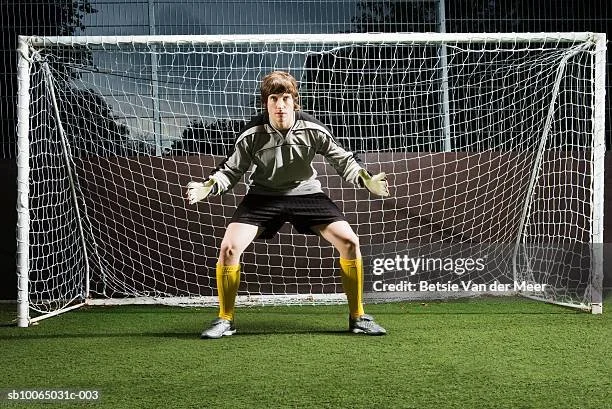
As the other dog approaches act confident even if you don’t feel it! This will give your dog confidence that you have control of the situation and make them less likely to react or try and take control themselves, as well as making the other dog more likely to pay attention to you.
Stand tall, put your shoulders back and speak with a deeper voice. AVOID making eye contact with the approaching dog. If they are aggressive this can increase the chance of reaction.
Please also note: These actions may work well with dogs who are approaching because they want to greet your dog or out of excitement, but will be less effective for truly aggressive dogs. If you have other tools to scare the dog away, getting your dog dropped somewhere safe with you standing in front is still a good option with an aggressive dog.
• Retreat without running away. If you are near a fence or gate and can get behind it, use it as an additional barrier for you and your dog. Many ovals have gates you can open and close. Get yourself and your dog through by moving towards the gate while maintaining visual on the dog (do not run or turn your back). Get your dog through the gate first and then shut it behind you.
If you are able to pick your dog up you can also put them over a nearby fence for protection while you catch the approaching dog or wait for the other owner to do something. Do NOT let go of the leash if you do this. You still need complete control. If safe to do so, you can tie your dog to the fence while you catch the off-leash dog.
There is always a risk that a dog may potentially be hidden on the other side of a fence or gate. Be careful.
Remember: All of these suggestions are situational and you want to make the choice which is safest for you and your dog.
Practice for the situation in case it arises. Practice so often you don’t second guess yourself when it does happen. Proof your dog so they are comfortable moving with you as you carry out these steps.
A common error I see with proofing a dog’s behaviour is believing a dog your dog has a solid drop-stay, but only ever walking away backwards from the dog while still watching them and making eye contact. You will not be able to do this when you are trying to protect them. Once your dog is confident holding their drop when you are watching them, practice walking away without watching them. A second helper to yell out can be really handy here – otherwise you can set your phone up to show what is behind you and watch your phone as you walk away if you aren’t confident you will be able to sense your dog breaking their position.