

Small dogs need training too: Helping your tiny friend become a well adjusted pup.
Find here a series of tips previously published on our Facebook page about helping your little mate become the best dog they can be.
Tip #1:
Avoid picking them up when they meet other dogs.
The size difference can seem intimidating but picking them up can actually cause problems. It encourages the other dog to jump up to greet your dog and also takes away your dog’s autonomy to move around. By restricting your small dog’s ability to choose when to approach or leave a situation you prevent them from learning how to appropriately signal other dogs. While you may feel like you are protecting them, it could actually cause your dog to feel trapped and uncomfortable which will build a nervous and helpless mindset in your pup.
Tip # 2:
Have your small dog interact with dogs of all sizes but only when you know the temperament of the other dog. You want calm dogs who have experience with small dogs. Scout the Border Collie (Pictured below) was an excellent example of a larger dog who does well with a small dog. She got down to the ground repeatedly to let Penelope say hello. They also showed signs of good play such as taking turns being ‘on top’ and taking breaks while interacting. Penelope was also allowed to walk away without Scout following her which allowed her to learn that she also has control in this scenario in deciding when to play and when to stop.
Remember: Even once your dog is comfortable with dogs of all sizes, always watch your small dog with a large dog. There is a disparity in power and accidents can happen. But don’t live in fear that it will. Caution – not alarm! Your dog will be happier for it.
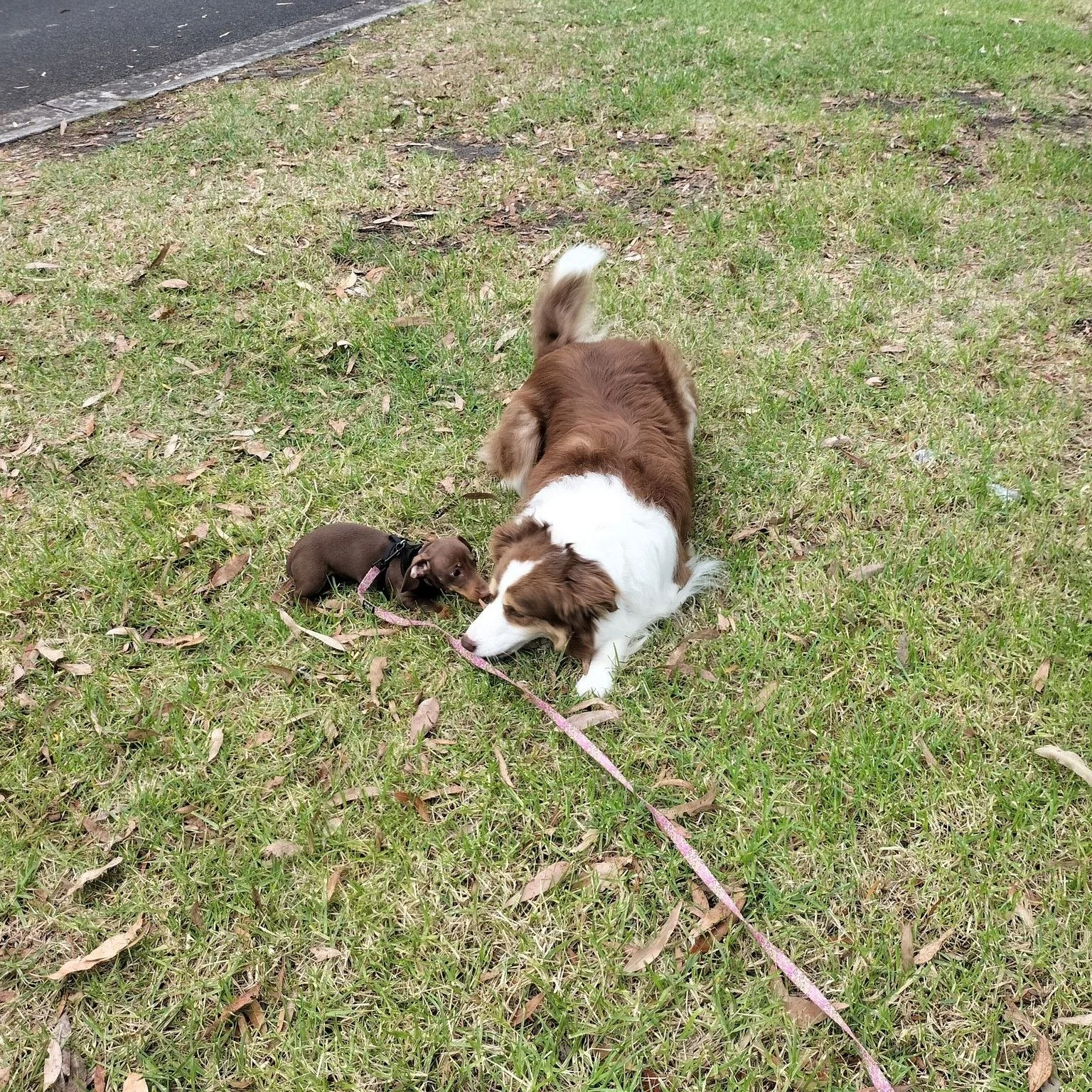
Scout gets down to Penelope’s level.
Tip #3:
Listen to your dog. This is another area where smaller dogs are often overlooked because they are quieter or easier to shush than large dogs. You really notice when a large dog starts barking, but there seems to be an understanding that ‘small dogs yap’.
This shouldn’t be true. Regardless of size, if your dog is barking they are telling you something. Maybe they are bored, scared, territorial, frustrated or attention seeking.
Barking is communication and it is important not to ignore it! Once we start listening, we can start helping our dog to work through whatever they are trying to tell us.
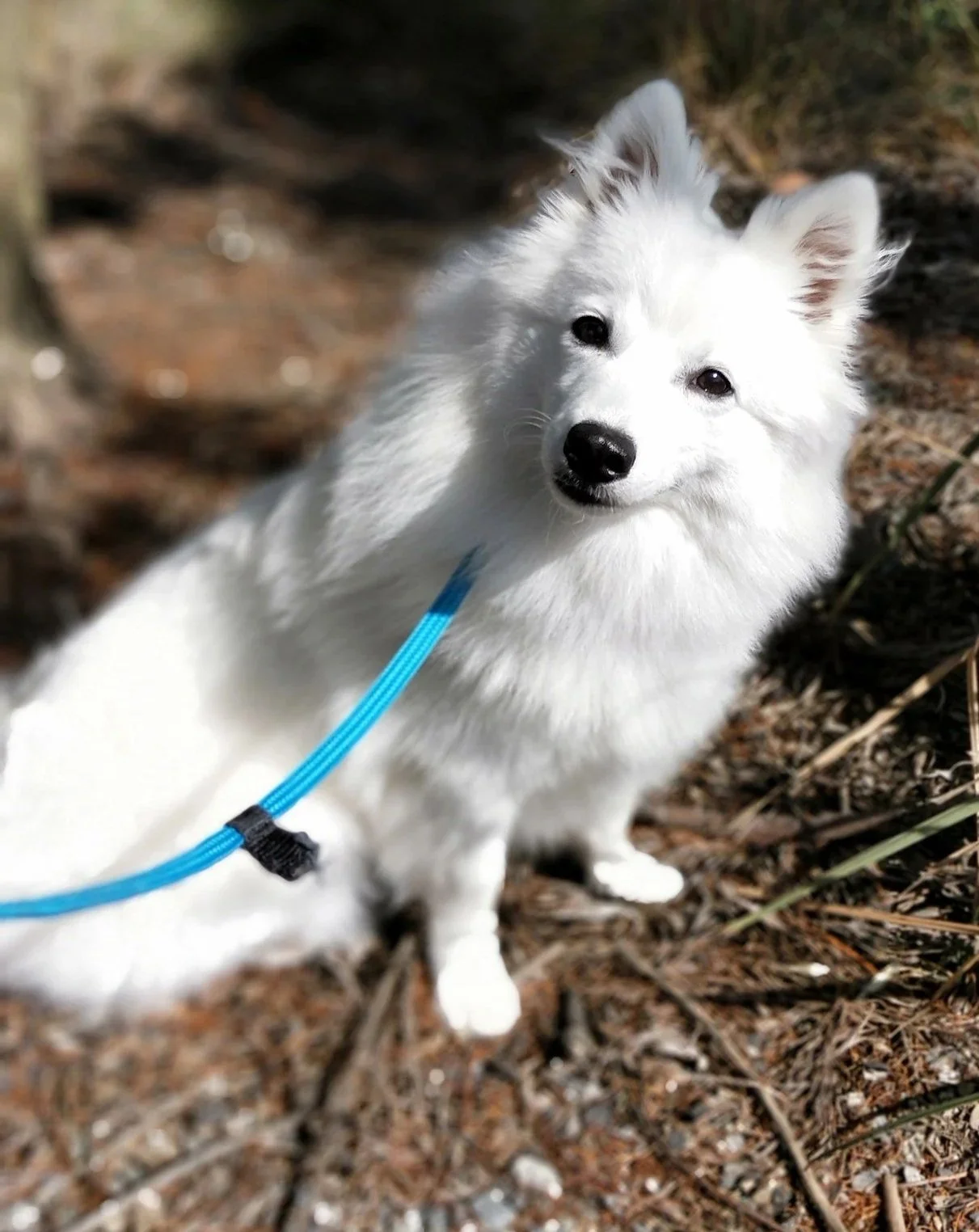
Lulu used to cause concern in her household by barking all the time - at the door, at her owner, at visitors. When we started getting her to use her very clever brain, all of that settled down! Lulu was trying to communicate boredom and once we listened, a whole new, happier pup emerged.
Tip #4:
Learn about your dog’s breed.
When you ask someone what Border Collies were bred for, they will tell you they were bred to herd sheep. Most people also know that a Pointer’s job was to help a hunter. There is a lot less awareness around small dog breeds and the reason they were initially bred. Many small dogs are lumped into a general ‘lapdog’ category even though they don’t actually belong there. Thinking your dog was bred only for cuddles on the couch can mean you miss signs they give you through their behaviour that they are not being genetically fulfilled.
What does genetic fulfilment mean? It means the instincts which have been bred into the dog (such as herding, nipping and digging) are given a healthy outlet. The sport of Treibball, for instance, was created to give herding breeds a great outlet to practice their skills without the need to add a flock of sheep to your household!
If your dog is not given an opportunity to practise these behaviours in a healthy way, it can result in nuisance behaviours such as destructive chewing, barking, and or aggression towards their owner or other dogs.
Learn what your dog was bred to do – then let’s find a fun way to help them do it!
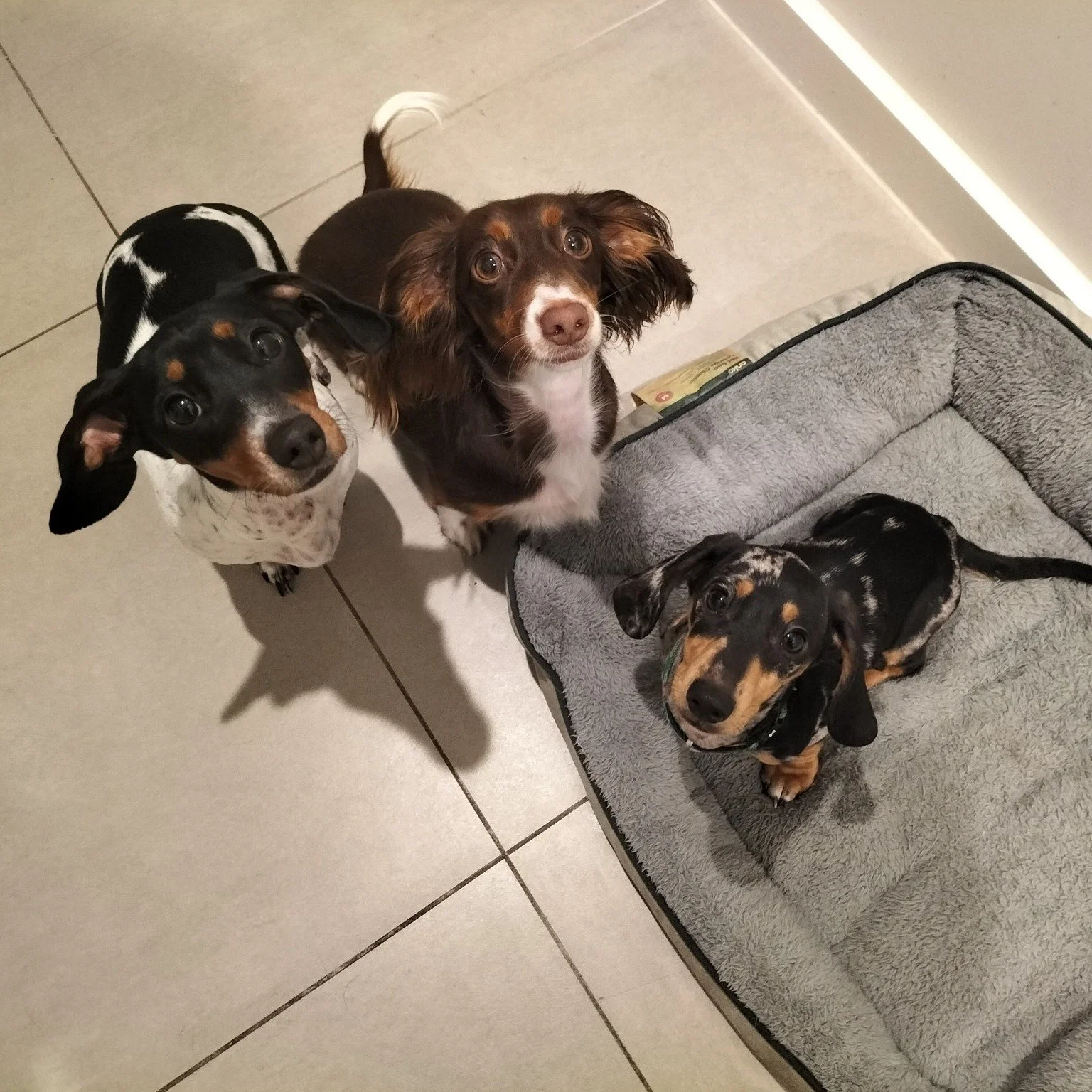
Pictured: A trio of trouble (if they are bored). Did you know Dachshunds were originally bred to hunt and tunnel into burrows?
Tip #5:
Set expectations for their behaviour and training. Dogs of all sizes benefit from structure and boundaries. Size doesn’t determine intelligence in dogs and some of the smartest dogs I’ve ever met I could fit in a pocket!
Imagine spending every day being cuddled and fed and walking similar routes. It sounds fun to start with, but eventually you would start to feel restless and frustrated. Brains need challenges and stimulation!
Don’t underestimate your dog. Though they be little, they be fierce!
Hopefully these tips helped you understand your small best mate even better and give you some ideas to help enrich their lives the way they enrich yours!